Why Choose a Smart Sprinkler Irrigation Controller?
Choosing a Smart Sprinkler Irrigation Controller can change how a landscape receives every drop of water. Traditional timers follow a schedule, even when rain has already darkened the soil. A smart controller responds to weather, soil moisture, plant needs, and seasonal changes. That difference matters beside a driveway, where runoff can carry water into the street within minutes.
Dr. Kelly Kopp, a respected irrigation researcher and professor at Utah State University, has said, “Smart irrigation controllers can help us apply water more efficiently and effectively.” Her observation captures the practical value of this technology. A reliable Sprinkler Irrigation Controller may pause watering after rainfall, reduce irrigation during cooler weeks, and adjust runtimes during intense summer heat. It can also reveal unusual usage, such as a broken sprinkler head spraying a sidewalk at dawn.
The benefits are not automatic. They depend on correct installation, accurate weather data, sensible programming, and regular inspection. A controller cannot repair compacted soil or rescue poorly placed sprinklers. That part is often overlooked.
Still, the daily experience can be reassuring. Imagine checking an app before breakfast and seeing that irrigation was delayed because 12 millimetres of rain had fallen overnight. Less waste. Fewer guesses.
There is room for doubt, too. Smart devices may cost more initially, and connectivity failures can interrupt automatic adjustments. Yet, when paired with thoughtful landscape management, they offer a measured way to protect plants, reduce runoff, and use water with greater confidence.
What Is a Smart Sprinkler Irrigation Controller?
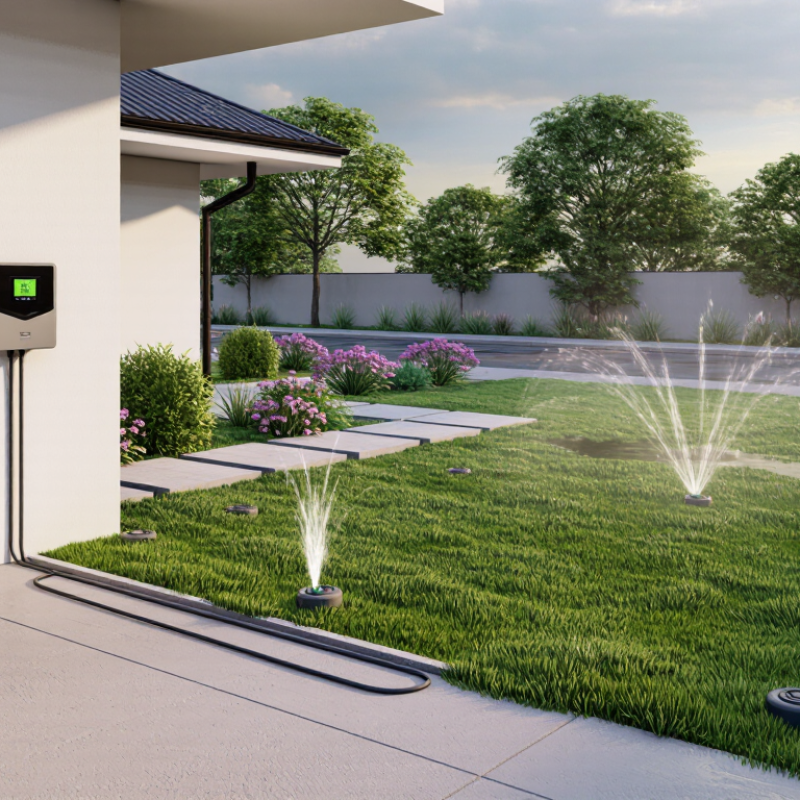
A smart sprinkler irrigation controller is a device that manages outdoor watering automatically. It replaces a basic timer with data-based scheduling. The controller connects to irrigation valves, sensors, and often a home network. You can set watering times through a control panel or mobile interface. It may adjust watering when rain, temperature, wind, or soil moisture changes. This helps match irrigation with actual landscape conditions. Not magic, though.
In practical use, a soil moisture sensor can prevent watering after a wet night. A rain sensor can pause the next cycle before runoff begins. Weather-based programming can also reduce watering during cooler periods. These features are useful for lawns, vegetable beds, and newly planted shrubs. I have found that accurate zone settings matter more than complicated features. A shaded flower bed should not receive the same schedule as dry turf. Small mistakes can waste water quickly.
A reliable installation starts with identifying each valve and measuring its coverage. The controller should support separate schedules for different plant areas. Remote access is convenient, but it cannot repair blocked nozzles or broken pipes. Connectivity may also fail during a network outage. Older valves can behave unpredictably with newer equipment. Regular inspections remain necessary. I still check spray patterns, soil dampness, and drainage by hand. Smart control reduces routine work, but human judgment remains part of responsible irrigation.
How Does a Smart Sprinkler Controller Work?
Why Choose a Smart Sprinkler Irrigation Controller?
How Does a Smart Sprinkler Controller Work?
A smart sprinkler controller connects watering zones to software, sensors, and local weather information. It sends timed signals to electric valves, opening each zone for a selected duration. A typical system divides the garden into zones. Lawns, flower beds, and shaded areas rarely need identical watering.
The controller checks forecast data, rainfall, temperature, and sometimes soil moisture. It then adjusts the schedule before watering begins. For example, expected rain may delay irrigation. Hot, dry conditions may extend a zone’s runtime. Some systems also measure flow and identify unusual leaks or broken lines. That feedback helps reduce wasted water.
Installation experience matters. Sensors need suitable placement, not under a roof or beside a sprinkler head. Soil readings can also become unreliable in compacted ground. Manual checks remain useful. Walk through the garden and inspect wetness, runoff, and plant stress. A wireless connection may fail, too. In that case, a controller should retain a local schedule and allow manual operation. Smart control is helpful, but it is not infallible. Seasonal adjustments still require judgment.
What Are the Benefits for Gardens and Landscapes?
A smart sprinkler irrigation controller can make a garden feel less dependent on guesswork. In my experience, the biggest benefit is accurate timing. The controller adjusts watering around rainfall, temperature, and seasonal changes. This helps lawns, vegetable beds, shrubs, and trees receive more suitable amounts. Less runoff reaches paths and drains. Soil stays more evenly moist. That matters during hot weeks, when hand watering often becomes inconsistent. It is not magic. Poorly placed sprinklers still waste water.
For landscapes, flexible scheduling supports different plant needs across one property. A sunny border may need shorter, more frequent cycles. Established trees may need slower, deeper watering. Remote monitoring also helps when a valve sticks or a pipe leaks. Early alerts can prevent a small fault from damaging turf or washing away soil. The system can reduce routine work, but it still needs human attention. I have found that settings are often left unchanged after installation. That mistake can quietly increase water use.
Tips: Group plants with similar water needs. Check soil moisture before extending runtimes. Inspect emitters and sprinkler heads each month. Adjust schedules after heavy rain or unusual heat. Keep a simple watering record. It reveals patterns. Do not trust weather data blindly. A shaded corner may remain wet longer than the controller expects. A short seasonal review can improve plant health, reduce waste, and expose problems before they become expensive. Yet every garden behaves differently, so local observation should guide final adjustments.
How to Choose the Right Smart Sprinkler Controller?
Choosing the right smart sprinkler controller starts with your garden, not the app. Count each irrigation zone, including flower beds, lawn areas, and drip lines. A small yard may need four zones, while a larger landscape may require twelve or more. Check your existing wiring, valve type, and power supply before buying. Compatibility problems are frustrating and often overlooked.
Reliable controllers use local weather data, rain sensors, or soil moisture readings to adjust watering. Look for clear scheduling controls, manual override, and useful alerts when water flow seems unusual. A strong Wi-Fi connection matters, but offline operation is also valuable. Your garden should not stop watering because the internet fails.
I still prefer testing each zone by hand after installation. Automation can be clever, but it is not always correct.
Tips: Measure water pressure before choosing a controller. Group plants with similar sunlight and soil needs. Set shorter cycles for clay soil, allowing water to soak slowly. Review the schedule after heavy rain or seasonal changes. Avoid choosing the model with the most features. Choose the one you can understand, maintain, and adjust easily. No system is perfect. A controller may save water, yet poor nozzle placement can still create dry patches. Watch the grass, inspect the soil, and make small changes based on real conditions.
