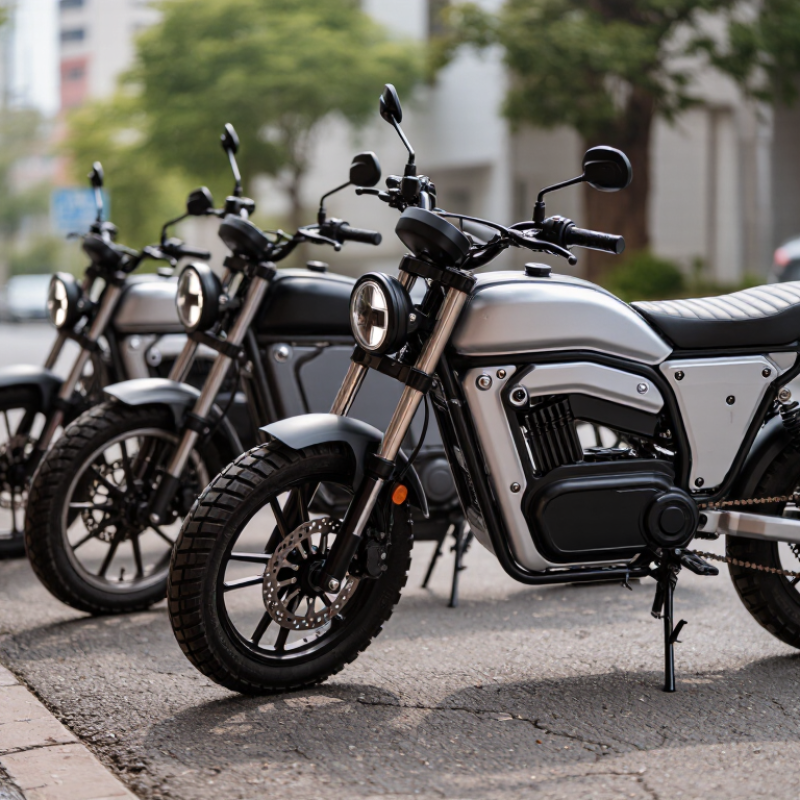
For a commercial electric motorcycle, wheel selection affects payload capacity, uptime, handling, and energy use. The International Energy Agency’s Global EV Outlook 2024 estimates that nearly 10 million electric two- and three-wheelers were sold worldwide in 2023. That scale makes careful component selection increasingly practical, not merely technical.
Start with the motorcycle’s approved wheel dimensions, maximum axle load, and speed rating. Then match the wheel and tire to real routes: frequent curb impacts, wet roads, and heavy cargo place different demands on rims and tread. For delivery fleets, a durable construction and widely available replacement sizes can reduce downtime. Check that the wheel suits the braking system, hub, and tire setup, including tubeless compatibility where applicable. Small fitment errors matter.
Efficiency deserves attention, but grip and heat control cannot be traded away casually. Ask suppliers for test data on load, fatigue, and rolling resistance, and compare results under similar conditions. Also inspect spoke tension or rim runout during routine maintenance; uneven wear can signal a mismatch or poor setup. A specification sheet is useful, but it cannot reproduce potholes on a daily route. Pilot the wheel on representative vehicles and record failures, wear, and energy use before standardizing. That step takes time. It can prevent a costly fleet-wide guess.