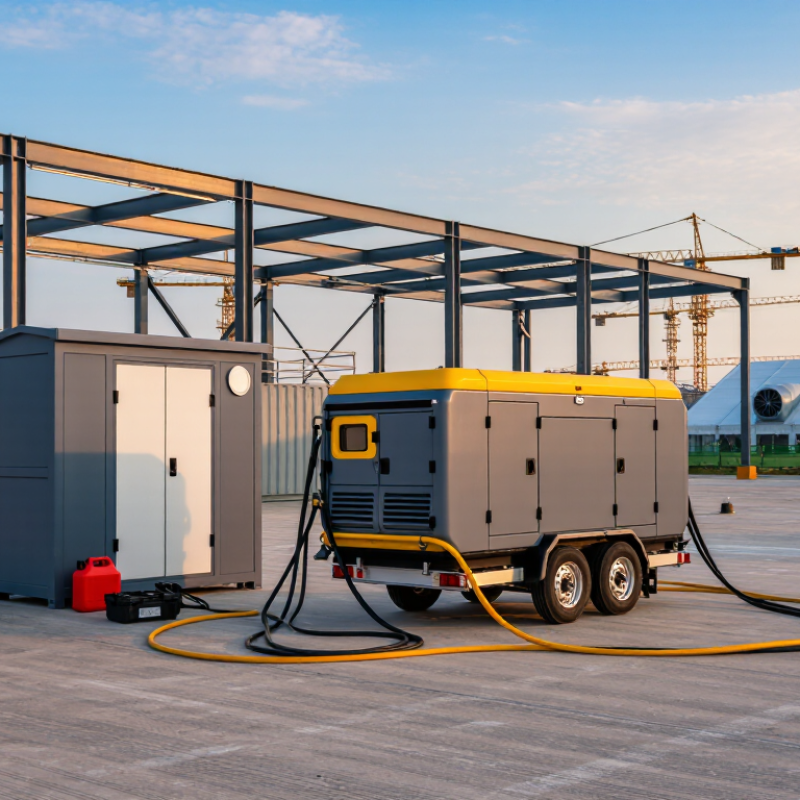
For global procurement, mobile generators offer a practical balance between power access and operational flexibility. Their towable or skid-mounted designs can reach construction sites, emergency facilities, farms, and temporary production areas. A procurement team can relocate one unit as project demands change, reducing dependence on fixed electrical infrastructure. That flexibility matters when delivery schedules shift. It also limits idle equipment, although transport planning remains essential.
The strongest benefit is fast deployment. Operators can position a generator near a load, connect approved cabling, and restore essential operations with less site preparation. Modern units may support automatic voltage regulation, multiple output ranges, and remote monitoring. These features help teams track fuel use, runtime, alarms, and maintenance intervals centrally. In my experience, clear records often prevent small faults from becoming expensive delays. Yet specifications must match local voltage, frequency, emissions rules, and safety requirements. A familiar control panel is not enough.
Mobile generators can also simplify international purchasing. Standardized configurations make supplier comparisons easier, while accessible service points and common spare parts support longer field use. Total cost should include shipping, fuel, technicians, permits, and noise controls. The cheapest quotation can age badly. Procurement decisions should test real load profiles, standby duration, climate, and terrain before approval. One overlooked detail, such as dust exposure or limited lifting access, can change the whole operating plan. For some projects, a fixed system may still be wiser; mobility helps only when the work truly moves.