Why Is Filling Equipment Important for Global Buyers?
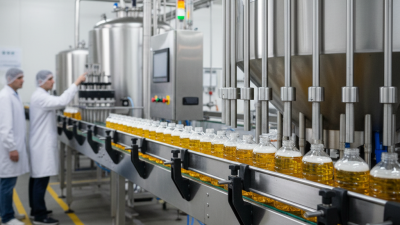
For global buyers, filling equipment is more than a machine beside a production line. It controls accuracy, hygiene, speed, product protection, and long-term operating costs. A filler handling thick sauce behaves differently from one processing water, cosmetics, or pharmaceutical liquids. Container shape matters too. So does the local service network.
Jim Pittas, president and CEO of PMMI, offers a practical view: “Equipment must support quality, efficiency, and the people operating it.” That principle matters across international projects. Buyers need clear evidence of dosing accuracy, cleanability, changeover time, operator training, and spare-parts availability. They should also examine documentation, validation support, and compatibility with recognized safety and quality standards.
The cheapest option can become expensive. Downtime may stop an entire packaging line. A small filling error can create rejected batches, customer complaints, and unnecessary waste. Reliable filling equipment reduces these risks through consistent dosing, controlled product contact, and measurable performance. It also helps factories adapt when volumes, containers, or formulations change.
No machine is perfect. That assumption deserves scrutiny. Specifications can look impressive on paper, yet daily maintenance may tell another story. Global buyers should request factory demonstrations, sample testing, reference installations, and realistic production data. They should ask difficult questions about cleaning, troubleshooting, software updates, and technical response times. A thoughtful purchase is not merely about filling faster. It is about protecting product quality while building a dependable operation across borders.
What Is Filling Equipment and Where Is It Used?
Why Is Filling Equipment Important for Global Buyers?
What Is Filling Equipment and Where Is It Used?
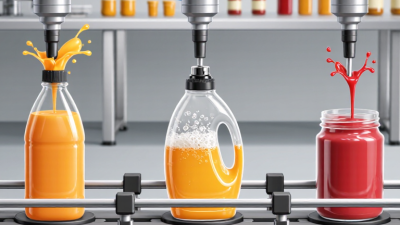
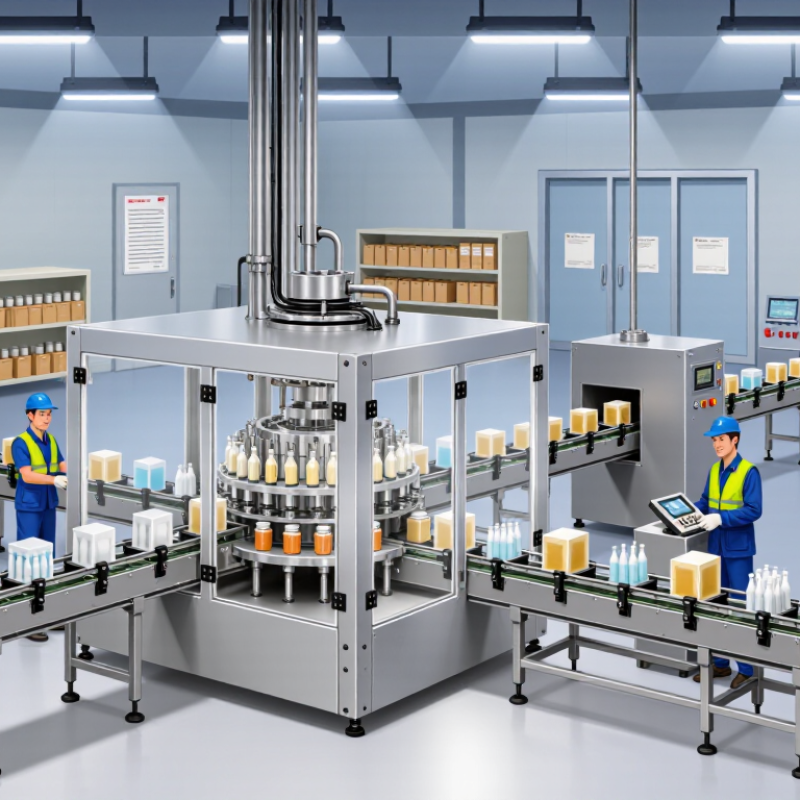
Filling equipment measures and transfers products into containers such as bottles, jars, pouches, tubes, and cans. Common systems include volumetric, gravimetric, piston, pump, and auger fillers. Each method suits different materials. A thin beverage flows easily, while honey, cream, and powders require more controlled handling.
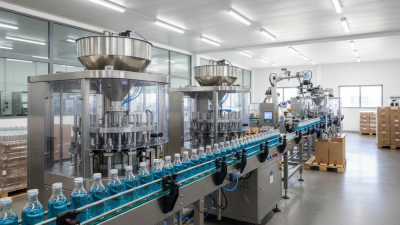
These machines operate across food, beverage, pharmaceutical, cosmetic, and household chemical production. A dairy plant may fill hundreds of cups per minute. A cosmetic facility may need gentle filling for thick lotion. Pharmaceutical applications often demand accurate dosing, cleanable surfaces, and documented process control. Packaging formats also matter. A machine designed for rigid bottles may not handle flexible pouches without costly changes.
Industry reports show why this equipment attracts global buyers. Grand View Research estimates the global filling machine market reached approximately USD 7 billion in 2023. MarketsandMarkets projects continued growth through 2028, supported by automation and packaged-product demand. These figures indicate opportunity, but they do not guarantee a suitable purchase. A high-speed filler can waste materials when the product foams, settles, or changes viscosity. That assumption deserves testing.
Buyers should examine filling accuracy, changeover time, cleaning access, container compatibility, and local technical support. Trial runs with real products are valuable. They reveal small problems that brochures often hide. Energy use and spare-part availability also affect long-term cost. The cheapest quotation may become expensive after installation.
Why Is Filling Equipment Important for Global Buyers? - What Is Filling Equipment and Where Is It Used?
| Equipment Type |
Suitable Product |
Typical Fill Range |
Typical Speed Range |
Common Container |
Main Advantages |
Typical Applications |
| Gravity Filler |
Low- to medium-viscosity liquids |
50 mL–5 L |
10–40 containers/min |
Bottles, jars, cans |
Simple operation, low maintenance, economical for free-flowing products |
Water-like beverages, detergents, cleaning solutions |
| Overflow Filler |
Thin liquids that require a consistent visible fill level |
100 mL–2 L |
10–60 containers/min |
Transparent bottles |
Uniform fill appearance even when container internal volumes vary slightly |
Shampoo, sauces, liquid soaps, personal-care products |
| Piston Filler |
Medium- to high-viscosity liquids and semi-solids |
10 mL–20 L |
10–50 containers/min |
Bottles, tubs, pails |
Good volumetric repeatability and strong handling of thick products |
Creams, pastes, honey, lotions, sauces |
| Peristaltic Filler |
Low- to medium-viscosity liquids and sensitive formulations |
1 mL–5 L |
5–30 containers/min |
Vials, bottles, pouches |
Product contacts only the tubing, supporting hygienic and low-contamination filling |
Laboratory liquids, cosmetics, pharmaceutical preparations |
| Auger Filler |
Fine, powdered or slightly cohesive materials |
1 g–5 kg |
10–80 containers/min |
Bottles, cans, bags |
Controlled powder dosing and compatibility with a broad range of screw-fed products |
Flour, spices, protein powder, powdered chemicals |
| Volumetric Cup Filler |
Free-flowing granules and dry pieces |
5 g–2 kg |
20–100 containers/min |
Bags, jars, pouches |
High throughput and straightforward volume adjustment |
Rice, grains, pet food, nuts, seeds |
| Net-Weigh Filler |
Granules, powders and products sold by mass |
10 g–50 kg |
5–40 containers/min |
Bags, sacks, boxes, pails |
Uses weighing feedback to reduce giveaway and improve mass consistency |
Food ingredients, fertilizers, animal feed, industrial materials |
| Aseptic or Hygienic Filler |
Sterile or microbiologically sensitive liquids |
10 mL–1 L |
10–300 containers/min |
Vials, ampoules, bottles, cartons |
Supports controlled environments, cleanability and contamination management |
Pharmaceutical liquids, dairy products, sterile solutions |
Note: Capacity, speed and fill accuracy are typical planning ranges. Actual performance depends on product viscosity, particle size, foaming behavior, container design, filling volume, automation level and applicable regulatory requirements.
How Does Filling Equipment Improve Production Efficiency?
Filling equipment improves production efficiency by controlling volume, speed, and product flow. In a busy line, a calibrated filler can reduce overfilling, spills, and repeated manual checks. Operators gain steadier output and clearer quality records. Small gains matter.
PMMI’s 2023 State of the Industry report valued U.S. packaging machinery shipments at about $10.2 billion in 2022. The report also identified labor shortages as a continuing pressure on manufacturers. Automated filling systems respond by handling repetitive dosing tasks with fewer direct interventions. Sensors can stop a line when containers tilt, caps misalign, or product levels change. This protects materials and reduces avoidable downtime.
Deloitte’s 2024 Smart Manufacturing and Operations Survey found that 86% of manufacturers expected smart operations to become a major competitiveness driver within three years. Filling equipment supports that shift when it records batch data, cycle times, and fault events. Yet automation is not automatically efficient. Poor cleaning design, unstable product viscosity, or weak operator training can create new delays. I have seen a fast filler lose its advantage when changeover instructions were unclear. Equipment should therefore match container sizes, hygiene requirements, and actual production volumes. A realistic trial with the intended product is often more valuable than a brochure specification.
Which Filling Technologies and Configurations Are Available?
Global buyers need filling equipment that matches the product, container, and production environment. No configuration is perfect. The right choice depends on viscosity, foaming, particles, temperature, and required accuracy.
Gravity fillers suit free-flowing liquids, while overflow systems help maintain a consistent visual level.
Piston fillers handle thicker products such as sauces, creams, and gels. Peristaltic pumps can reduce product contact and support cleaner changeovers.
For powders, auger fillers offer controlled dosing, while volumetric cup systems suit free-flowing materials.
Configuration matters as much as technology. A single-nozzle machine may fit small batches and frequent product changes. Multi-nozzle systems increase output but demand balanced pressure and careful calibration. Automatic conveyors, integrated capping units, and clean-in-place features can improve workflow. However, extra automation may increase maintenance needs.
In practical testing, operators should check fill accuracy at different speeds, container heights, and product temperatures. A machine that performs well in a showroom may behave differently beside a warm production line.
Tips: Request samples using your actual product and containers. Measure weight variation across repeated cycles. Confirm contact-material compatibility, cleaning access, operator safety, and documentation for applicable markets. Leave room for future container changes. This is often overlooked. A thoughtful factory acceptance test can reveal dripping, foaming, or unstable dosing before installation. Record every result, even the disappointing ones. Those details support better purchasing decisions and more reliable production.
What Quality and Compliance Standards Should Global Buyers Check?
For global buyers, filling equipment must prove more than speed.
It must protect product quality across borders. The World Health Organization estimates that 600 million people become ill from contaminated food each year. This figure makes hygienic design a purchasing priority, not a decorative feature. Buyers should check stainless-steel grades, smooth welds, drainability, clean-in-place performance, and sealed product-contact zones.
Documentation matters equally.
Equipment should support traceable materials, calibration records, change control, and documented factory and site acceptance tests. Pharmaceutical buyers should review alignment with EU GMP Annex 1, 21 CFR Part 11, and applicable local rules. Food processors may also need HACCP controls and recognized sanitation procedures. ISO’s 2023 Survey recorded more than 1.2 million ISO 9001 certificates worldwide. Certification signals process discipline, but it does not automatically validate a filling machine.
Look closely at the details.
Ask for elastomer compatibility data, accuracy results at different fill volumes, and cleaning validation evidence. Request sample containers, not only laboratory results. A nozzle that performs well with water may behave differently with syrup or powder. That gap is common. It deserves attention. Buyers should also verify electrical safety, software access levels, spare-part availability, and operator training. Certificates can look impressive while practical records remain incomplete. A factory visit, witnessed test, and independent technical review can expose weaknesses before shipment.
How Should Buyers Compare Suppliers, Costs, and After-Sales Support?
When global buyers evaluate filling equipment, supplier comparison should begin with process fit, not the lowest quotation. Ask for material compatibility, filling range, speed, accuracy, and changeover time. Request test videos using a product similar to yours. Better still, send representative samples for a witnessed trial. A polished demonstration can hide difficult cleaning steps.
Cost needs a wider lens.
Compare machine price, installation, training, spare parts, utilities, and expected maintenance. Check which components are locally available and which require international shipping. Ask for a written warranty, response times, remote support hours, and technician travel costs. A cheaper machine may become expensive after repeated stoppages. That lesson is easy to ignore.
After-sales support deserves evidence, not promises. Review the service team’s technical qualifications, documentation quality, and escalation process. Ask how faults are diagnosed and how replacement parts are identified. Clear manuals, wiring diagrams, and maintenance schedules reduce dependence on one engineer. During factory visits, observe testing discipline and record unanswered questions. I have seen buyers focus heavily on output figures, then discover that cleaning guidance was vague. No comparison is perfect. Leave room for risk. Use a weighted scorecard, but keep a human review for training quality, communication, and practical honesty. Reliable suppliers explain limitations before the contract, not after delivery.