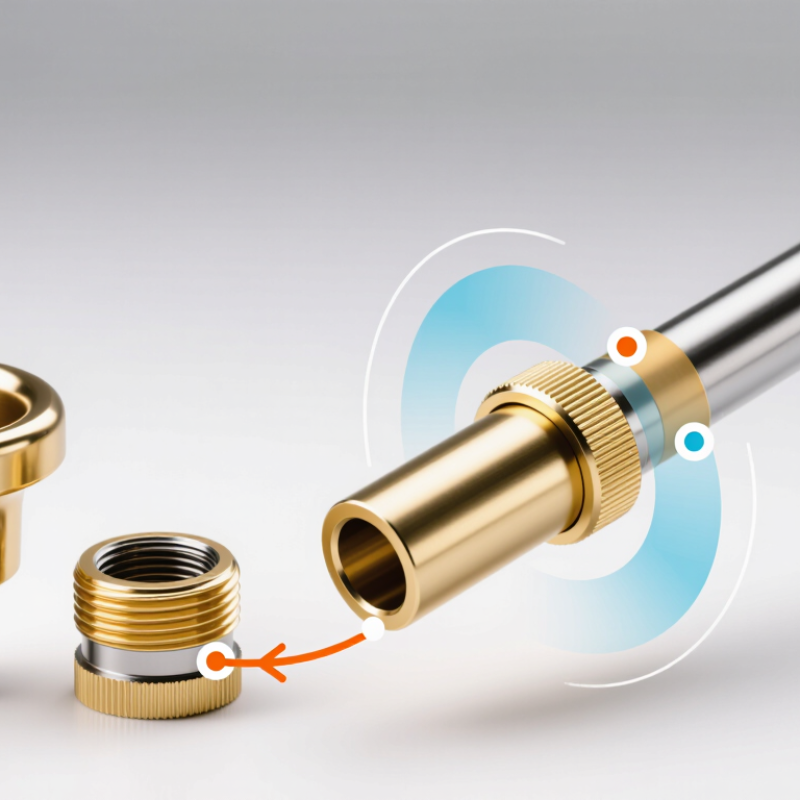
| Mouthpiece and instrument have different connection sizes | Provides a compatible connection between the mouthpiece and the instrument’s receiver or neck. | Some instruments and mouthpieces use different fitting dimensions or connection designs. | Confirm the instrument model, connection type, and adapter dimensions before purchase. |
| Using a compatible mouthpiece on another instrument setup | Bridges a specific, manufacturer-approved fit difference. | An adapter can make a suitable mouthpiece usable without modifying the mouthpiece or instrument. | Check that the adapter is intended for both the mouthpiece and the instrument; adapters are not universally interchangeable. |
| Replacing a worn or damaged fitting component | Restores the connection when the adapter itself is the replaceable part. | A damaged adapter may cause looseness, air leakage, or an unstable fit. | Inspect for cracks, deformation, corrosion, and a secure fit. Replace damaged parts rather than forcing them into place. |
| Testing a setup before committing to a permanent change | Allows a reversible trial of a compatible mouthpiece-and-instrument combination. | This can help a player assess fit and playing response without permanently altering equipment. | Use the correct adapter and check for secure seating, air leaks, and unexpected changes in response. |
| Connection feels loose or does not seat correctly | May correct a known compatibility difference when the adapter is designed for that exact connection. | A proper fit helps keep the mouthpiece stable during use. | Do not use an adapter to compensate for an unknown mismatch. Verify the fitting specifications or ask a qualified instrument technician. |