Top 10 Metal Forming Machines for Global Buyers in 2026?
In the rapidly evolving manufacturing landscape, the metal forming machine sector holds a pivotal role. A recent report by Grand View Research indicates that the global metal forming machine market is projected to reach $20 billion by 2026. This growth reflects an increasing demand for precision engineering across various industries, including automotive and aerospace. Industry expert Dr. Sarah Reynolds emphasizes, “Metal forming machines are essential in shaping the future of manufacturing.”
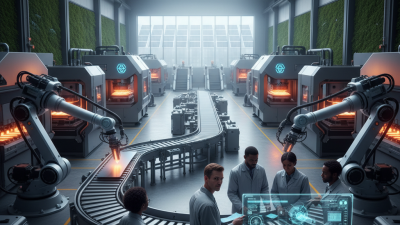
The integration of advanced technologies, such as automation and AI, is reshaping metal forming processes. Companies are investing in modernizing their machinery to enhance efficiency and reduce waste. The market is witnessing a diverse range of equipment, from stamping presses to hydraulic machines. Each type offers specific advantages and challenges, contributing to a complex decision-making process for buyers.
Despite the optimistic landscape, challenges persist. Not all manufacturers can keep up with rapid technological changes. Many still rely on outdated machines, impacting productivity. Understanding these dynamics is crucial for stakeholders in the metal forming industry. Awareness of trends and innovations can guide buyers towards making informed investment decisions in 2026.
Overview of Metal Forming Machines and Their Importance in Manufacturing
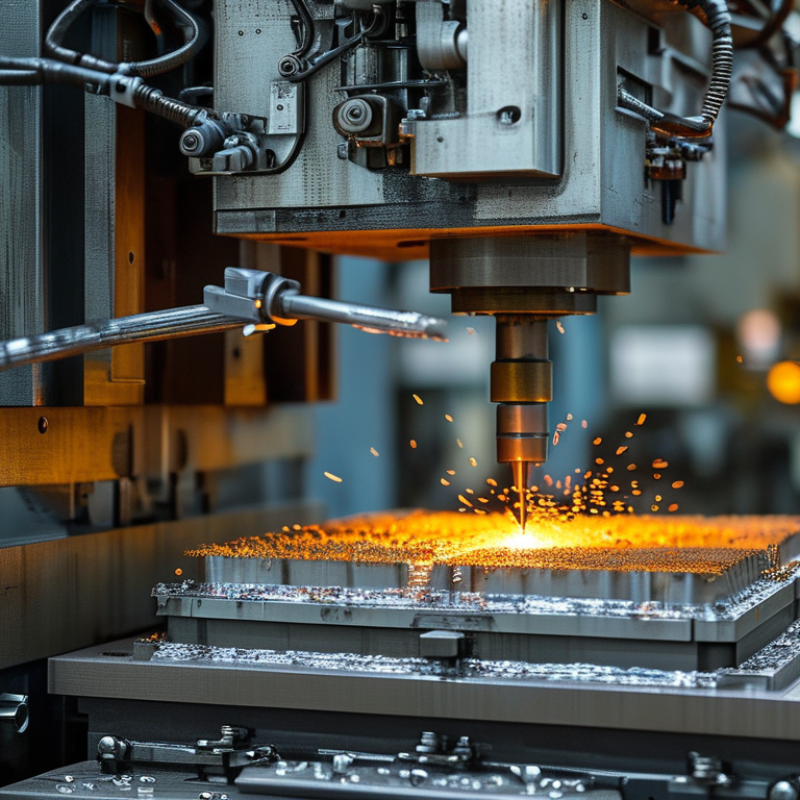
Metal forming machines play a crucial role in the manufacturing industry. These machines shape materials, typically metals, into desired forms. Their importance cannot be understated as they determine precision and efficiency in production. By 2026, the demand for metal forming machines is projected to grow significantly. According to a recent report by Grand View Research, the global market is expected to reach approximately $12 billion. This growth is driven by advancements in technology and increasing industrial automation.
The effectiveness of metal forming machines influences overall manufacturing productivity. They enhance the capability to produce complex parts at a lower cost. Research indicates that companies that invest in modern machines can improve their efficiency by up to 30%. This is essential for staying competitive in a fast-paced market. However, transitioning to new technology can be challenging. There are considerations regarding training and maintenance that manufacturers must address.
Making informed choices about metal forming machinery is vital. Evaluating options based on durability and cost-effectiveness is crucial. Production managers often face dilemmas regarding the balance between quality and expense. It’s recommended that businesses seek expert advice to navigate these complexities. With careful planning, the integration of advanced metal forming machines can lead to substantial long-term benefits.
Key Technological Advancements in Metal Forming Machines by 2026
The landscape of metal forming machines is evolving rapidly. By 2026, we can expect significant advancements in technology. Automation will play a crucial role.
Smart machines will enhance efficiency and precision in metal forming processes.
Artificial intelligence will integrate into these machines. AI can optimize production schedules, reducing waste. This technology ensures that machine operation is seamless and cost-effective. However, the reliance on AI raises questions about programming accuracy.
Sustainability is another key aspect. Machines will focus on energy efficiency and materials recycling. This shift can lower environmental impacts. It's essential to reflect on the balance between innovation and sustainability. While technology advances, manufacturers must remain mindful of their ecological footprint.
Top 10 Metal Forming Machines: Criteria for Selection and Evaluation
When selecting metal forming machines, various criteria come into play. Buyers should consider machine versatility first. Different applications require differing capacities and configurations. This flexibility allows the machine to adapt to various production needs.
Ease of operation is crucial. Complex machines can lead to training challenges and downtime. An intuitive user interface can enhance productivity significantly.
Durability and maintenance requirements are also essential considerations. Metal forming is demanding, and machines need to withstand heavy workloads. A machine that requires constant maintenance can disrupt production.
Energy efficiency is another key factor. Machines that consume less energy contribute to lower operational costs. This consideration reflects a commitment to sustainability.
Finally, evaluating the availability of support services is vital. Technical assistance and spare parts are necessary for extended machine lifespans. Limited support can lead to long downtimes, impacting overall output.
Reflecting on these elements helps buyers make informed decisions. Prioritizing these criteria can streamline the selection process for metal forming machines.
Detailed Review of Each Machine: Features, Specifications, and Applications
In 2026, the landscape of metal forming machines will evolve significantly. Buyers should understand the features of each machine before investing. For instance, hydraulic presses will continue to dominate due to their versatility. These machines excel in handling various materials and shapes, making them ideal for complex designs. However, they may require more maintenance over time.
Another noteworthy option is the CNC bending machine. This technology allows precise bends with minimal material waste. Applications range from automotive parts to custom metal furniture. Yet, user training is essential to fully utilize these machines. It’s vital to consider the learning curve involved.
Let's not overlook the challenges faced in the industry. High initial costs may deter small businesses from adopting advanced machines. Additionally, some technologies may become obsolete quickly, requiring further investment. Buyers should evaluate not just the specifications but also the long-term implications of their purchases. Each machine has its pros and cons. Understanding these can prevent future regrets.
Future Trends in Metal Forming Technologies and Market Impact for Buyers
The future of metal forming technologies looks promising. Advances in automation and artificial intelligence are transforming this field. These innovations enhance precision, efficiency, and reduce waste. Machines equipped with smart sensors can now analyze performance in real time. This capability allows for more informed decision-making and improved production processes.
Sustainability is another key trend shaping metal forming. As industries face stricter environmental regulations, there is a push for greener practices. Recycling materials and reducing energy consumption are prioritized. However, overcoming the initial costs of implementing these new technologies can be challenging for many businesses. This may lead to hesitation in adopting the latest innovations.
Adopting these trends will require continuous education and investment. Buyers must stay informed about market dynamics. Engaging with industry experts can provide valuable insights. However, not all emerging technologies will be suitable for every operation. It's crucial to evaluate the specific needs of a business before committing to new solutions.