Request Quote

Request a quote from Nidec Drive Technology America Corporation.

This quote form is intended for customers and partners in North America seeking information about Nidec Drive Technology America Corporation’s Precision Gearing Technologies. For inquiries related to the Nidec motor group division or from outside this region, please visit the global Nidec Group website to find the appropriate regional or product-specific contact.

Subscribe to Nidec Newsletter

Subscribe to our email newsletter to stay current with our precision gearing solutions, featured products, company updates, and industry news.

What Are the Top Filling Machine Manufacturers in China?

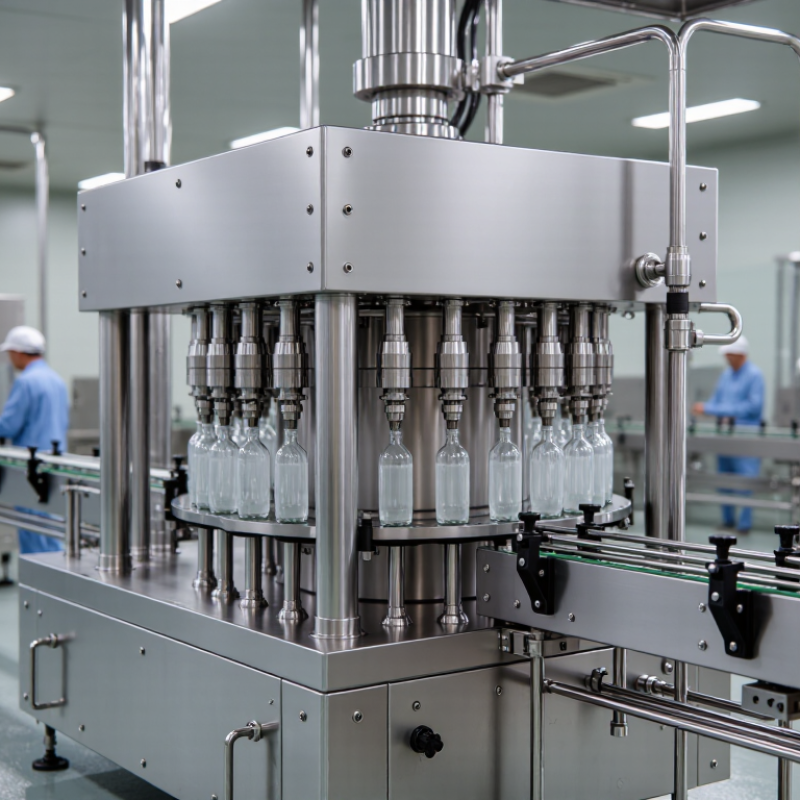
Choosing among the top filling machine manufacturers in China requires more than comparing prices. A reliable evaluation examines filling accuracy, production speed, material compatibility, cleaning access, and after-sales support. A machine filling bottled water may not suit viscous sauces, cosmetics, or pharmaceutical liquids. The product changes everything.

China’s leading suppliers often include TECH-LONG, Newamstar, King Machine, Sunswell, and Zhangjiagang Fill-Pack. Their strengths differ. TECH-LONG is widely recognized for integrated beverage lines. Newamstar focuses strongly on water and beverage solutions. King Machine and Sunswell offer broad equipment portfolios for bottles, cans, and liquids. However, “top” is not a permanent label. Factory audits, reference projects, and trial runs matter more than attractive brochures.

PMMI President Jim Pittas has emphasized, “Automation is no longer a luxury; it is a necessity.” That observation applies directly to modern filling machine selection. Automated controls can reduce operator errors, stabilize output, and record production data. Still, automation cannot repair poor installation or weak maintenance practices. It is not magic.

This guide compares manufacturers through practical criteria: filling tolerance, changeover time, hygienic design, spare-part availability, customization, and verified customer experience. Look closely at stainless-steel welds, nozzle movement, control-panel clarity, and the cleanliness of sample containers after testing. Some published specifications may appear impressive but lack operating context. Buyers should request videos, factory references, and performance data from similar applications. A careful decision may take longer. That is usually cheaper than replacing an unsuitable machine.

What Are the Top Filling Machine Manufacturers in China?

What Types of Filling Machines Do Chinese Manufacturers Produce?

Chinese filling machine manufacturers produce equipment for liquids, creams, powders, granules, and uneven products.

The correct type depends on viscosity, container shape, production speed, and cleaning requirements. A machine that handles thin juice may struggle with thick sauce.

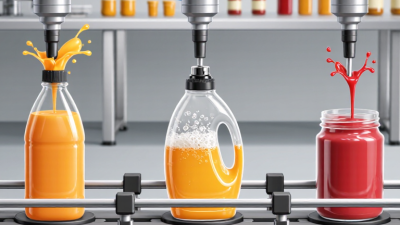
Liquid filling machines commonly use gravity, overflow, piston, or peristaltic systems.

Gravity fillers suit free-flowing liquids, while overflow models provide a consistent visual level in transparent bottles.

Piston fillers measure thicker materials, such as lotion, honey, and paste, with strong volumetric control.

Peristaltic fillers reduce product contact with the pump, which can help with sensitive formulations.

Powder and granule lines use auger fillers, cup fillers, or net-weight systems.

Auger machines dose flour-like powders through a rotating screw.

Cup fillers measure free-flowing granules, including seeds or dry food pieces.

Net-weight fillers check each dose through load cells, offering better control when material density changes.

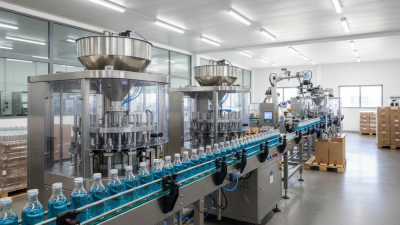
Some Chinese manufacturers also build monoblock systems that combine rinsing, filling, and capping in one compact frame.

In factory evaluations, stainless steel construction, accessible seals, and programmable controls deserve close attention.

Easy cleaning matters more than a polished demonstration. No machine fits every product.

Small testing mistakes can reveal major issues later, especially with foaming, dripping, or powder dust.

A careful buyer should request product trials, accuracy records, and maintenance details before selecting a configuration.

How Are the Top Filling Machine Manufacturers in China Evaluated?

Evaluating top filling machine manufacturers in China requires more than comparing catalog prices. Buyers should examine factory experience, engineering records, and production capacity. A reliable manufacturer can explain how its machines handle liquids with different viscosities. It should also show test videos, inspection reports, and actual installation details.

Technical performance matters greatly. Review filling accuracy, speed stability, changeover time, and cleaning access. Ask for results from containers similar to yours. For example, a machine filling 500-milliliter bottles should be tested under realistic production conditions. Check whether the control system records errors clearly. Small details matter. They affect downtime.

After-sales support is another important measure. Evaluate spare-parts availability, remote troubleshooting, training, and response times. A strong supplier provides detailed manuals and clear acceptance standards. Factory visits can reveal assembly quality, cable routing, and workshop organization. However, appearances can mislead. A clean showroom does not guarantee long-term reliability. I would request customer references and inspect performance data carefully. No evaluation is perfect, especially when test conditions are controlled. Buyers should compare several offers and record every assumption. That discipline often exposes hidden costs, weak support, or unrealistic output claims.

What Are the Top Filling Machine Manufacturers in China? - How Are the Top Filling Machine Manufacturers in China Evaluated?

Evaluation Dimension Suggested Weight Measurable Indicators Recommended Verification What a Strong Manufacturer Demonstrates
Product and Application Coverage 15% Liquid, viscous, powder, granule, and paste filling capability; container compatibility; single-dose and multi-dose formats. Review technical specifications, application references, sample-filling results, and container drawings. Offers a suitable filling principle, such as piston, peristaltic, gravity, auger, or net-weigh filling, for the target product.
Filling Accuracy and Repeatability 15% Filling tolerance, repeatability, product temperature, viscosity, foaming behavior, and change in fill volume over production runs. Request a documented factory acceptance test using the customer’s product or a controlled substitute. Provides test data under defined operating conditions instead of quoting accuracy without product or process parameters.
Production Capacity and Line Integration 12% Containers per minute, number of filling heads, machine speed range, uptime, and compatibility with capping, labeling, inspection, and conveying equipment. Compare guaranteed output with actual test results and review the complete line layout. Separates theoretical speed from sustained operating speed and clearly identifies upstream and downstream limitations.
Machine Construction and Hygiene 12% Product-contact materials, weld quality, surface finish, drainage, cleanability, sealing design, and protection against contamination. Inspect material certificates, hygienic design details, weld samples, and cleaning procedures. Uses application-appropriate stainless steel and provides a design that supports cleaning, inspection, and maintenance.
Compliance and Documentation 10% Quality-management documentation, risk assessment, electrical safety, guarding, user manuals, drawings, and traceability records. Check current certificates and technical files against the destination market and product category. Provides complete and consistent documentation rather than relying only on general certification claims.
Customization and Engineering Capability 10% Ability to modify nozzles, pumps, hoppers, conveyors, controls, change parts, and automation interfaces. Evaluate engineering drawings, change-control procedures, prototype testing, and project references. Can explain the technical reason for each customization and its effect on cost, speed, cleaning, and maintenance.
Automation and Controls 8% PLC and HMI functions, recipe management, sensor integration, alarm history, data access, and operator safety controls. Review the control architecture, screen demonstrations, software backup policy, and interface requirements. Provides stable controls, clear alarms, protected parameter settings, and practical operator training.
Service, Spare Parts, and Training 8% Installation support, response process, spare-parts availability, preventive-maintenance plans, troubleshooting, and operator training. Request service-level terms, spare-parts lists, maintenance schedules, and references from comparable installations. Offers documented support procedures and identifies critical wear parts before commissioning.
Total Cost of Ownership 5% Purchase price, change-part cost, energy use, compressed-air demand, cleaning time, labor requirements, and expected maintenance cost. Compare a five-year cost model using the same output, working hours, labor rates, and maintenance assumptions. Provides a transparent cost breakdown instead of comparing equipment prices alone.
Delivery, Testing, and Project Management 5% Lead time, design-review milestones, factory acceptance testing, packing, installation planning, and commissioning schedule. Review the project plan, acceptance criteria, inspection records, and responsibilities matrix. Uses clearly defined milestones and acceptance criteria, with responsibilities assigned to both parties.
Total Evaluation Weight 100% Manufacturers should be compared using the same product, container, output target, acceptance criteria, and destination-market requirements.

Evaluation principle: A top filling machine manufacturer is identified through documented performance, application fit, compliance evidence, service capability, and total cost of ownership—not by company size or quoted machine speed alone.

Which Chinese Filling Machine Manufacturers Are Industry Leaders?

China’s industry-leading filling machine manufacturers are usually judged by more than production volume. Experienced suppliers understand product viscosity, container shape, filling accuracy, and cleaning requirements. They can adjust piston, peristaltic, gravity, or servo-based systems for different applications. Factory visits often reveal more than polished websites.

Look closely at engineering evidence. Reliable manufacturers provide test videos, layout drawings, component lists, and documented accuracy results. Strong teams also support commissioning, operator training, spare-parts planning, and remote troubleshooting. Ask for a sample filling trial using your actual containers. Small details matter, such as dripping control, nozzle height, and changeover time.

Not every large factory delivers consistent quality. Some offer impressive specifications but weak after-sales support. That gap can stop production. I have found that practical communication often predicts project success better than a low quotation. A dependable supplier explains limitations clearly and records agreed standards. It should also maintain traceable inspections, hygienic design practices, and suitable quality management procedures. Yet no manufacturer is perfect. Even capable teams may underestimate installation conditions or product changes. Leave room for testing, correction, and honest review.

What Industries and Products Do These Manufacturers Serve?

China’s filling machine manufacturers serve many industries, from bottled water to household chemicals. Their equipment handles liquids, powders, creams, and thick pastes. Food producers often fill sauces, cooking oils, dairy drinks, and ready-to-eat products. Beverage factories use systems for water, juice, tea, and carbonated drinks. These lines may include rinsing, filling, capping, and labeling units.

Tips: Match the machine to product viscosity, container shape, and daily output. Ask for stainless steel contact parts and easy-clean designs. Request sample testing with your actual bottles and materials. A glossy video is not enough.

Cosmetic manufacturers need accurate filling for lotions, shampoo, serums, and gels. Personal care products may require gentle pumping to reduce bubbles and splashing. Pharmaceutical facilities demand stronger process control, traceability, and hygienic construction. Small-batch producers often choose piston, peristaltic, or servo-driven machines. Larger factories may need continuous lines with automatic inspection.

Chemical companies use filling equipment for detergents, cleaners, lubricants, and other approved industrial liquids. Corrosive products require suitable seals, pumps, and protective materials. Powder applications can include flour, spices, nutritional powders, and dry mixes. In practical factory evaluations, speed is rarely the only concern. Cleaning time, operator training, spare parts, and calibration affect real productivity. One overlooked detail can stop a line. I have found that advertised output may decline with unstable foam, narrow containers, or frequent product changes. A careful buyer should test these conditions before purchasing.

Chinese filling-machine manufacturers commonly supply equipment for beverages, food products, pharmaceuticals, cosmetics, and chemicals. The chart shows the number of representative product categories commonly served in each industry; it is not a measure of company market share or sales.

How Can Buyers Choose the Right Chinese Filling Machine Manufacturer?

Choosing a Chinese filling machine manufacturer requires more than comparing catalog prices.

Mordor Intelligence estimates the global filling machine market at about USD 8.15 billion in 2024, with growth toward 2029. This expansion attracts capable factories, but also inexperienced suppliers. Buyers should inspect factory records, engineering depth, and export experience.

A polished website proves little.

Request a video tour or an audited site visit. Check whether the factory tests pumps, valves, sensors, and control cabinets before shipment. Ask for filling accuracy results using your actual product.

Viscous oil, foaming beverages, and hot sauces behave differently.

The supplier should explain changeover time, cleaning procedures, and spare-part availability.

PMMI industry research also highlights automation, labor efficiency, and flexible production as major packaging priorities. These points matter when selecting a machine for several container sizes.

Tips:

Compare three quotations using the same technical specification. Require a written acceptance test. Ask for customer references in your region, not only overseas photos.

Review electrical standards, warranty limits, installation support, and response times. A lower quote may hide weaker stainless steel, slower service, or costly format parts.

I would also budget for training; this is often forgotten. Do not accept impressive speed claims without product trials.

One uncomfortable truth remains: even a reliable manufacturer can misunderstand your process if your brief is vague. Include drawings, sample containers, target output, viscosity, temperature, and cleaning requirements.