What Are the Top Precision Group Manufacturers in China?
Choosing a precision group manufacturer in China is not just a price comparison. It is a decision about tolerances, repeatability, communication, and delivery risk. A polished website tells little about how a supplier handles a drawing revision or a batch that misses specification. Small details matter: inspection records, material traceability, machining capacity, and the way defects are reported.
Shigeo Shingo, the Japanese industrial engineer, is often credited with this warning: “The most dangerous kind of waste is the waste we do not recognize.” It applies to supplier selection, too. Hidden waste may appear as unclear quotes, repeated samples, or parts that require rework. Not every buyer notices it early.
This guide examines leading precision group manufacturers in China through practical signals, not marketing claims alone. It considers product range, quality systems, engineering support, production scale, and evidence of export experience. These factors can help readers build a shortlist, but they cannot replace a factory audit or a verified sample. Rankings also depend on the job. A supplier suited to fine-machined components may not fit a project requiring high-volume stamping or complex assemblies. That distinction is easy to miss. Buyers should confirm specifications, inspection methods, and communication expectations before committing. The aim is a more grounded comparison—and a reminder that even a carefully researched list has limits.
Understanding Precision Group Manufacturing in China
What Are the Top Precision Group Manufacturers in China?
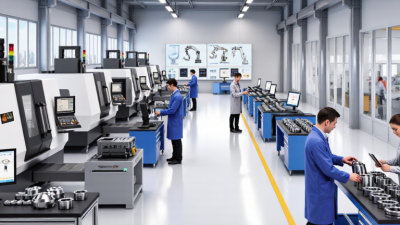
Understanding precision group manufacturing in China means looking beyond individual factories. Regional supplier networks can connect CNC machining, heat treatment, finishing, and inspection. This can shorten handoffs, but it also makes coordination essential. A small mismatch in drawing revisions may cause rejected parts. Small details matter. Buyers should check process controls, material traceability, measurement equipment, and how suppliers handle nonconforming parts. Request sample inspection records, not just capability statements.
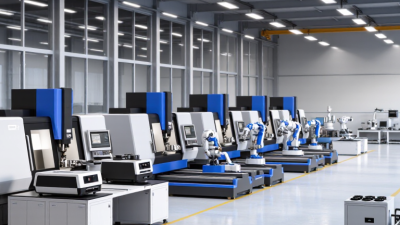
Automation is part of this landscape, not proof of quality by itself. The International Federation of Robotics’ World Robotics 2024 report recorded 276,288 industrial robot installations in China in 2023, about 51% of global installations. This signals substantial factory automation, though it does not measure precision or supplier reliability. Ask how critical dimensions are verified, how often gauges are calibrated, and whether inspection results follow each production batch. The honest answer may be that some checks still rely on manual work; that deserves a closer look, not an automatic rejection.
Tips: Send a clearly toleranced drawing and identify critical-to-function dimensions. Ask for a first-article inspection report and a documented change-control process. Compare actual capability data with your tolerances. A polished factory tour helps, but records and repeatable results matter more.
How China’s Leading Precision Group Manufacturers Are Evaluated
What Are the Top Precision Group Manufacturers in China?
How China’s Leading Precision Group Manufacturers Are Evaluated
A credible evaluation starts with the part, not a sales brochure. Review the drawing, required tolerances, material specification, and inspection plan. For a machined component, ask how the supplier controls tool wear and temperature changes during production. These details can affect a bore measured in microns. Proof matters.
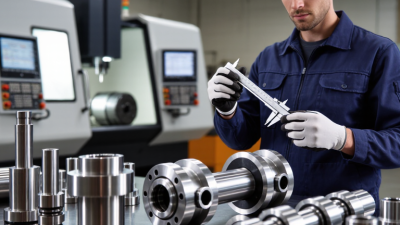
Quality systems should be supported by records, not certificates alone. Request sample measurement reports, equipment calibration records, and first-article inspection results. A coordinate measuring machine can verify complex dimensions, while in-process checks catch drift before a full batch is complete. Ask how nonconforming parts are isolated and corrective actions verified. A polished audit sheet can still miss everyday variation on the shop floor.
Manufacturing capability also means repeatable delivery. Compare trial samples with later production lots, and examine packaging, lead-time records, and communication during a specification change. Ask whether the factory has experience with similar materials and geometries, rather than relying on a broad equipment list. No single score tells the whole story. Even a well-documented process deserves a practical review: observe how operators follow work instructions, record measurements, and respond when results fall outside limits.
Major Precision Group Manufacturers in China
Major Precision Group Manufacturers in China
China’s major precision group manufacturers serve sectors that need repeatable parts, stable dimensions, and dependable production capacity. Their capabilities often include CNC machining, precision grinding, stamping, and custom assembly. Industrial clusters across Guangdong, Zhejiang, and Jiangsu offer access to skilled suppliers and supporting processes. However, a broad service list does not prove consistent quality.
When comparing manufacturers, ask for sample inspection records, material certificates, and clear tolerance specifications. Check whether measuring equipment is calibrated and whether reports identify the part, batch, and measurement method. A factory visit can reveal practical details, such as machine condition, cleanliness, and how rejected parts are separated. One detail is easy to miss: a perfect prototype does not guarantee stable mass production. Ask how process changes are controlled.
Tips: Send a detailed drawing and request a first-article inspection report. Confirm lead times, packaging, and communication routines before placing a larger order. Keep the first order modest. Even careful checks can miss a mismatch between your design assumptions and a supplier’s process, so review early samples closely.
Key Technologies and Industries Served by These Manufacturers
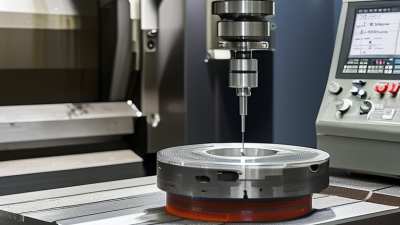
China’s precision-component manufacturers compete through process control, not just tight tolerances. Common capabilities include multi-axis CNC machining, precision grinding, wire-cut EDM, and coordinate-measuring inspection. On the shop floor, operators may check a machined housing against a digital probe before it moves to surface finishing. Some factories also use automated loading and in-process measurement to reduce variation across production runs. Still, a long equipment list does not prove consistent quality; documented inspection methods and repeatable results matter.
Automation is reshaping the capabilities these suppliers need. China installed 276,288 industrial robots in 2023, representing 51% of global installations, according to the International Federation of Robotics’ World Robotics 2024 report. That scale supports demand for robot-compatible parts, fixtures, gear components, and precision assemblies. Suppliers serving automation customers often need to hold dimensions across repeated batches, not merely produce one accurate sample. The distinction is easy to overlook.
Automotive is another major customer industry. The China Association of Automobile Manufacturers reported 30.16 million vehicles produced in China in 2023. That output creates demand for machined housings, shafts, transmission parts, and components used in electric-vehicle systems. Precision suppliers also serve aerospace, medical-device, and industrial-equipment makers, where material traceability and inspection records can be as important as machining speed. These national figures indicate market scale, not the performance of any individual factory. A buyer still needs to verify tolerances, measurement equipment, and process controls against the actual part drawing.
What Are the Top Precision Group Manufacturers in China?
Key technologies and industries served: a representative view of common precision-manufacturing applications.
Bars count selected process families—CNC machining, grinding or EDM, precision stamping, precision casting, and injection molding—that commonly have applications in each industry. This is an illustrative process-to-industry mapping, not a company ranking, market-share estimate, or survey of Chinese manufacturers.
How to Choose a Precision Group Manufacturer in China
Choosing a precision group manufacturer in China starts with the part, not the quotation.
Define critical dimensions, material grades, surface finish, annual volume, and inspection requirements before comparing suppliers. UNIDO’s International Yearbook of Industrial Statistics 2024 reports that China contributed about 31% of global manufacturing value added in 2022. That scale offers broad machining capacity, but it does not guarantee a supplier can hold your tolerance.
Scale helps. Not enough.
Ask for process-specific evidence: capability studies on key dimensions, calibrated measuring equipment, traceable material records, and inspection reports from recent production. ISO’s Survey of Management System Standard Certifications lists China among the countries with the most ISO 9001 certificates. Yet a certificate confirms a management system, not precision on your component. Request a sample measured against your drawing, and check the measurement method, not just the pass result. A coordinate measuring machine report can help, but only when its datums match the drawing.
Review how the supplier handles tool wear, first-article approval, nonconforming parts, and engineering changes. Ask who will respond when a dimension drifts, and how quickly corrective actions are documented. A polished sample can mislead; production consistency matters more. Share a realistic drawing and ask for a written tolerance review before placing a trial order. If answers stay vague, pause.
That judgment is not always easy.