What Are the Top Precision Machine Types in 2026?
In 2026, the most important precision machine types will be those that repeatedly produce accurate parts, not simply those with the highest advertised speed. CNC machining centers, precision lathes, grinding machines, electrical-discharge machines, and coordinate measuring machines serve different stages of that work. A milled aluminum housing, a ground bearing race, and a measured turbine component demand different capabilities. The details matter.
Industry data helps explain why automation and measurement deserve attention. The International Federation of Robotics reported 541,302 industrial robots installed worldwide in 2023, with 4.28 million operating in factories. Its World Robotics 2024 report tracks a broad shift toward automated production, though robot figures do not measure precision-machine sales directly. That distinction is important. A robot may load a machine, but it cannot by itself guarantee part accuracy.
This overview compares machine types by their practical roles, including material removal, surface finishing, and inspection. It also considers tolerance capability, repeatability, setup demands, and suitability for different production volumes. Manufacturers should verify specifications against real components and operating conditions. A catalog number is not a process validation. Even capable equipment can disappoint when tooling, thermal control, workholding, or operator skill receives too little attention. The ranking is therefore a guide, not a universal purchasing rule. Industry reports provide useful context, but shop-floor trials remain essential. A small caveat, perhaps. Precision is a system, not a machine alone.
How Precision Machine Types Are Classified in 2026
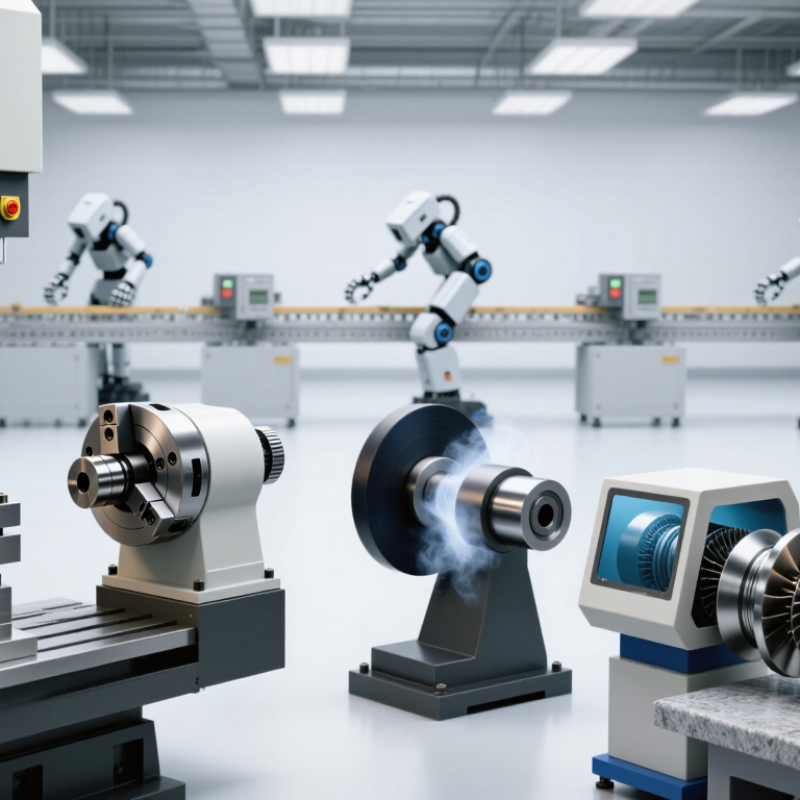
In 2026, precision machines are best classified by how they remove material, shape parts, or control accuracy. The familiar categories still matter: turning machines rotate a workpiece, while milling machines cut it with rotating tools. Grinding machines use abrasive wheels for fine finishes and tight tolerances. Small details matter. A turned steel shaft may need a different process from a thin aluminum housing, even when both require accurate dimensions.
Other types are grouped by their cutting method or production role. Electrical discharge machines shape conductive materials with controlled electrical sparks, while laser and waterjet systems cut without a conventional cutting tool. Additive machines build parts layer by layer, though they may still need machining afterward. Classification can also reflect scale, motion, or automation: a compact machine for medical components differs from a large gantry system for aerospace structures. These labels overlap, and that can be confusing. A machine may belong to several categories at once, depending on whether you classify its process, size, or use. For practical selection, compare the required tolerance, material, surface finish, and batch size—not the category name alone. I would still check the manufacturer’s stated capabilities against real test cuts; published accuracy figures do not tell the whole story.
CNC Milling and Multi-Axis Machining Centers
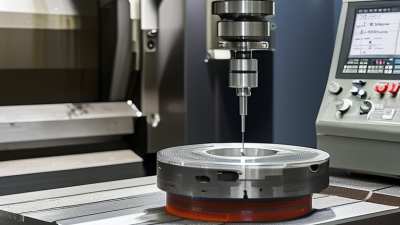
CNC milling remains a core precision process in 2026 because it removes material with predictable, measurable control. A machinist can use it to cut pockets, slots, and flat faces from metal or plastic stock. On the shop floor, the difference often shows in small details: a clean edge, a consistent hole pattern, or less variation between parts. Good results still depend on tool condition, workholding, and a realistic process plan.
Multi-axis machining centers add movement between the tool and workpiece, allowing more features to be cut in fewer setups. A five-axis machine, for example, can reach angled surfaces that may otherwise require repositioning. Fewer setups can reduce alignment errors and handling time. Not magic, though. Complex toolpaths need careful simulation, and poorly chosen fixtures can still cause collisions or vibration. Skilled operators remain essential.
The right machine depends on the part, not the axis count alone. A three-axis mill may be efficient for a stable, prismatic component produced in volume. Multi-axis equipment may suit parts with compound curves or features on several faces. Engineers should compare tolerance requirements, material, batch size, and inspection access before selecting a process. There are trade-offs. More capability can mean higher setup effort, and an elaborate approach is not always the most reliable one. Test cuts and measured results help expose assumptions before full production.
What Are the Top Precision Machine Types in 2026?
CNC Milling and Multi-Axis Machining Centers
Representative machine configurations are shown by the number of controlled axes. Actual axis counts vary by machine design; more axes can enable machining more part features in fewer setups.
Grinding, Honing, and Superfinishing Machines
Grinding, honing, and superfinishing machines each solve a different surface problem. Grinding removes material quickly and controls geometry. Honing corrects bore shape while creating a crosshatched finish that helps retain lubricant. Superfinishing uses fine abrasives and light pressure to reduce surface peaks. The differences matter. A polished part can still be out of round.
Grand View Research estimated the global grinding machines market at about US$5.2 billion in 2023 and projected a 5.4% compound annual growth rate from 2024 to 2030. That growth reflects demand for tighter tolerances in automotive, aerospace, and industrial components, though market estimates vary by scope.
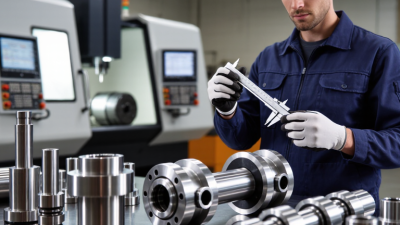
On the shop floor, the choice depends on material, stock allowance, and the required surface texture. A hardened steel shaft may need grinding for size, then superfinishing for lower friction. A hydraulic cylinder bore may call for honing instead.
Measure results, not just cycle time. Coolant condition, abrasive wear, and setup can shift the finish more than expected.
One practical caveat: tighter roughness targets do not automatically improve a component; they can add time and cost without solving the actual failure mode.