Request Quote

Request a quote from Nidec Drive Technology America Corporation.

This quote form is intended for customers and partners in North America seeking information about Nidec Drive Technology America Corporation’s Precision Gearing Technologies. For inquiries related to the Nidec motor group division or from outside this region, please visit the global Nidec Group website to find the appropriate regional or product-specific contact.

Subscribe to Nidec Newsletter

Subscribe to our email newsletter to stay current with our precision gearing solutions, featured products, company updates, and industry news.

China Top 10 Metal Forming Machine Manufacturers for Global Buyers

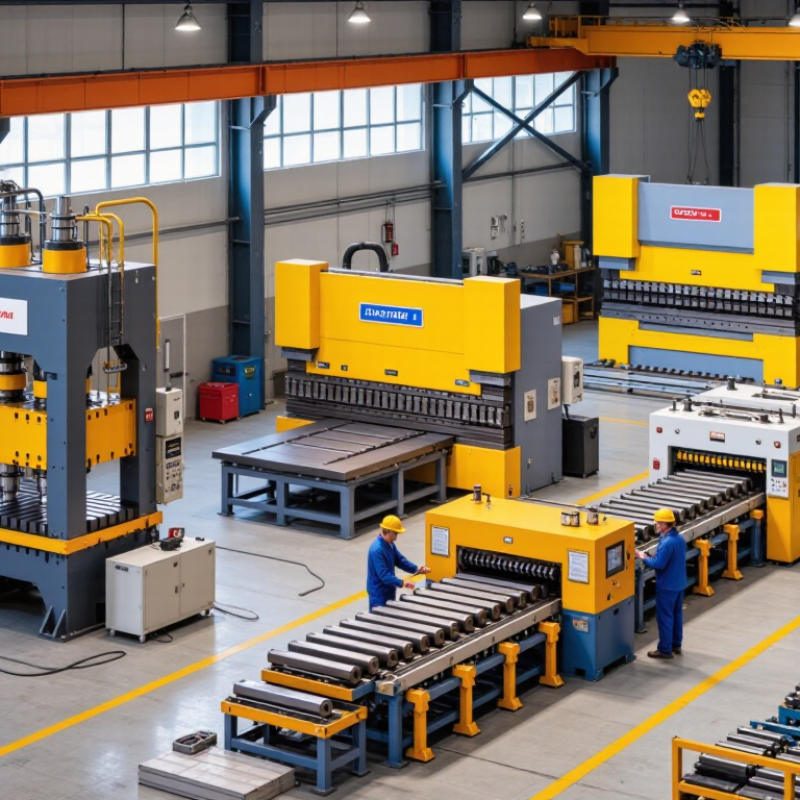
Metal forming machine selection can shape a factory’s output for years. A hydraulic press, a bending machine, and a stamping line serve different production needs. Buyers should compare more than listed tonnage or advertised speed. Sheet thickness, part geometry, tooling changes, and daily production volume all affect suitability. A machine that looks powerful on paper may not fit a real workshop.

This guide introduces ten manufacturers serving global buyers and explains what to examine when comparing them. Key considerations include machine range, control systems, build quality, customization options, and documented service support. Look for clear specifications, practical installation guidance, and training arrangements. Ask how suppliers handle spare parts and technical questions across time zones. Details matter. A response about maintenance can reveal as much as a polished product brochure.

No single ranking can suit every factory. Some buyers prioritize precision; others need flexible setups for mixed orders or straightforward operation for a small team. Regional presence, delivery schedules, and total ownership costs also deserve attention. Where claims are not independently verified, treat them as points to confirm directly with the manufacturer. Even careful research leaves gaps. Compare sample parts, review references where available, and request written specifications before making a decision. This overview offers a starting point, not a substitute for checking the machine against your actual materials, tooling, and production plan.

China Top 10 Metal Forming Machine Manufacturers for Global Buyers

Metal Forming Machines: Main Types and Industrial Applications

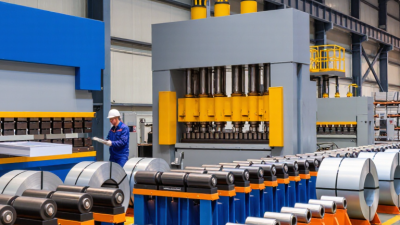
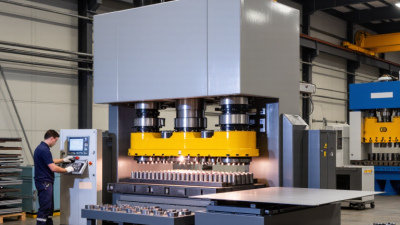
Metal forming machines reshape sheet, plate, or bar by applying controlled force, often without removing material. The machine type determines how pressure travels and which shapes can be produced. Press brakes bend sheet into channels, brackets, and cabinet panels. Mechanical or hydraulic presses stamp, draw, or coin parts using matched dies. Roller machines gradually curve plate into tanks, ducts, and structural shells. The differences matter.

These processes serve distinct industries. Automotive plants use stamping presses for repeatable body panels and brackets; appliance makers form durable housings. Construction shops roll beams and bend flashing, while aerospace suppliers may form lightweight alloys into carefully controlled profiles. A machine should match material thickness, strength, part geometry, production volume, and tolerance. Thick plate needs different force and tooling from a thin stainless-steel enclosure. Tooling and setup often shape output as much as rated tonnage.

For global buyers, compare working length, stroke, bed size, control capability, and repeatability. Check how equipment will be installed and serviced. Ask for sample-part trials using your actual material; catalog ranges can hide springback or edge-marking problems. No machine fits every shop. A small mismatch can mean scrap, slow changeovers, or extra finishing. Even a careful specification may need revision after the first production run. That is worth admitting.

China’s Metal Forming Machinery Industry and Its Global Role

China’s metal forming machinery industry is shaped by the scale of its manufacturing base and the needs of export markets. World Bank data show that China’s manufacturing value added exceeded US$4.6 trillion in 2023. This broad economic measure is not specific to machine tools, but it helps explain the depth of the country’s supplier networks. Buyers can find equipment for stamping, bending, and sheet-metal fabrication, alongside tooling and automation support. The details matter. A press rated for a certain tonnage may still be a poor fit if its control system, die-change process, or service coverage misses the buyer’s needs.

Automation is another force changing the sector. The International Federation of Robotics’ World Robotics 2024 report recorded 276,288 industrial robot installations in China in 2023, about 51% of global installations. These figures cover all industrial sectors, not metal forming alone. Still, they point to a large domestic base for robot-integrated production cells, including loading and part handling. For global buyers, production speed is only part of the assessment; repeatability, spare-parts access, and operator training matter on the factory floor. A highly automated line can also add complexity. Published totals cannot show how well a specific machine performs on a buyer’s material, tooling, and shift schedule, so trial runs and clear acceptance criteria remain useful.

China Top 10 Metal Forming Machine Manufacturers for Global Buyers - China’s Metal Forming Machinery Industry and Its Global Role
No. Machine Category Main Forming Process Typical Workpiece or Material Common Applications Key Buyer Considerations
1 Hydraulic press Pressing, deep drawing, and compression forming Sheet metal, plates, and materials suited to controlled pressing Deep-drawn parts, formed panels, and molded components Rated force, bed size, stroke, speed control, and safety systems
2 Mechanical stamping press High-speed punching, blanking, and stamping Coil-fed or sheet-form metal stock Automotive parts, electrical components, and appliance parts Press capacity, strokes per minute, shut height, and die compatibility
3 Servo press Programmable pressing and stamping with controlled slide motion Sheet and coil materials used in precision forming Precision components and processes requiring adjustable motion profiles Motion programmability, production rate, energy use, and control-system support
4 Press brake Linear bending of sheet or plate between a punch and die Sheet metal and plate, within the machine’s rated capacity Enclosures, frames, brackets, and structural components Bending length, tonnage, backgauge, tooling, and crowning or angle control
5 Roll forming line Continuous bending through successive roller stations Long metal strips or coil stock Profiles, channels, roofing panels, and framing sections Profile geometry, material range, line speed, tooling, and cut-off integration
6 Forging press Forming heated or cold metal under compressive force Billets and preforms made from forgeable metals and alloys Automotive, machinery, and industrial forged components Press force, daylight, stroke, workpiece temperature, and die setup
7 Ring rolling machine Reducing ring-wall thickness while increasing ring diameter Ring-shaped metal preforms, commonly processed hot Bearing races, flanges, gears, and large circular components Workpiece size range, rolling force, dimensional control, and automation
8 Tube bending machine Rotary-draw, compression, or other tube-bending methods Metal tubing and, on suitable equipment, pipe Vehicle exhausts, frames, handrails, and fluid-system components Tube diameter, wall thickness, bend radius, tooling, and bend accuracy
9 Metal spinning machine Rotating a blank against a form to create an axisymmetric shape Circular sheet-metal blanks Cones, domes, reflectors, and hollow rotational parts Maximum blank diameter, material thickness, forming method, and repeatability
10 Stretch forming machine Stretching sheet or profiles over a form die Sheet metal and suitable extruded profiles Large curved panels and formed architectural or transport components Clamping capacity, forming envelope, material behavior, and die requirements

This table compares common metal-forming machine categories and buyer evaluation criteria; it does not rank or identify individual manufacturers.

Profiles of 10 Chinese Metal Forming Machine Manufacturers

China’s metal-forming sector includes suppliers with very different strengths. These ten profiles focus on equipment and production capabilities, not company names or unverified rankings.

A hydraulic-press manufacturer may serve deep drawing and compression work, with frame rigidity and pressure control worth checking.

A servo-press supplier may offer programmable strokes for varied parts. Ask for cycle-time data.

A roll-forming specialist can build lines for profiles such as roofing panels, using staged rollers and cut-off units.

A press-brake maker typically serves sheet-metal shops; inspect back-gauge accuracy and test bends.

A shearing-machine producer focuses on clean, repeatable cuts before forming.

A stamping-line manufacturer may combine presses, feeders, and safety controls for higher-volume parts.

A tube-bending supplier handles different radii and diameters, so sample bends reveal springback and surface marks.

A forging-press producer serves heavier shaping tasks, where force consistency and maintenance access matter.

A metal-spinning manufacturer works with rotational forming; tooling quality can affect wall thickness.

Details matter.

An automation-focused supplier may integrate several forming stages around a customer’s part and output target. Integration can save handling time, but it also makes commissioning more demanding.

Buyers should compare drawings, material grades, sample results, service response, and spare-parts availability. Still, a clean brochure is not proof. Factory trials and clear acceptance criteria help expose gaps before shipment, while honest discussions about limits can be more useful than broad performance claims.

Comparing Manufacturers by Products, Capabilities, and Certifications

A useful comparison of China’s top ten metal forming machine manufacturers starts with the products each actually builds. Some focus on hydraulic or mechanical presses; others offer press brakes, roll-forming equipment, or complete stamping lines. Check working force, bed dimensions, stroke, and material thickness against your parts. A large tonnage figure alone says little about finished accuracy. Small details matter. Ask for sample-piece results, cycle-time data, and repeatability measurements under realistic conditions.

Capabilities show up in the factory, not just the brochure. Look for machining capacity, control-system options, tooling support, installation, and access to spare parts. A demonstration with your material can reveal vibration, setup time, or inconsistent bends. It may feel awkward to request this, but it is better than guessing. Certifications also need careful comparison: confirm the certificate’s scope, issuing body, validity, and relevance to the specific facility or machine. A quality-management certificate does not automatically certify every product. Compare evidence alongside price, and note where information remains unclear. That uncertainty matters.

How Global Buyers Can Assess Suppliers and Plan Procurement

Global buyers should assess more than a machine’s quoted tonnage. Ask suppliers for load charts, repeatability data, and sample parts formed from similar material. A press brake may look capable on paper, yet tooling clearance or controller support can limit real output. Request a test using your own drawing and specified sheet thickness. Check weld quality, guarding, electrical documentation, and spare-part lead times during the same review. Small details matter.

Procurement planning should compare delivered cost, not just machine price. Include shipping, installation, operator training, tooling, and commissioning. Confirm what the warranty covers, how service requests are handled across time zones, and which components are stocked locally. Set acceptance criteria before signing, such as trial-part dimensions, cycle time, and handover documents. For complex lines, stage payments around verifiable milestones rather than vague progress reports. Keep a buffer for transport delays and site preparation; schedules often look cleaner in a quotation than on a factory floor. This is worth revisiting.

China Metal Forming Machine Supplier Assessment: Suggested Procurement Scorecard

Suggested percentage weights for comparing suppliers. These are planning recommendations, not measured market statistics or ratings of specific companies.

Assess machine performance and compliance alongside total cost, service capability, delivery planning, and reference checks. Adjust the weights to match your machine type, production requirements, and risk tolerance.